
No cost, convenient therapy at my own health & wellness center.
How to Start Therapy Services
What can Physical Therapy Services do?
Physical Therapy can address symptoms that prevent you from participating in the activities you enjoy, limit your ability to sleepat night, or affect your ability to work.
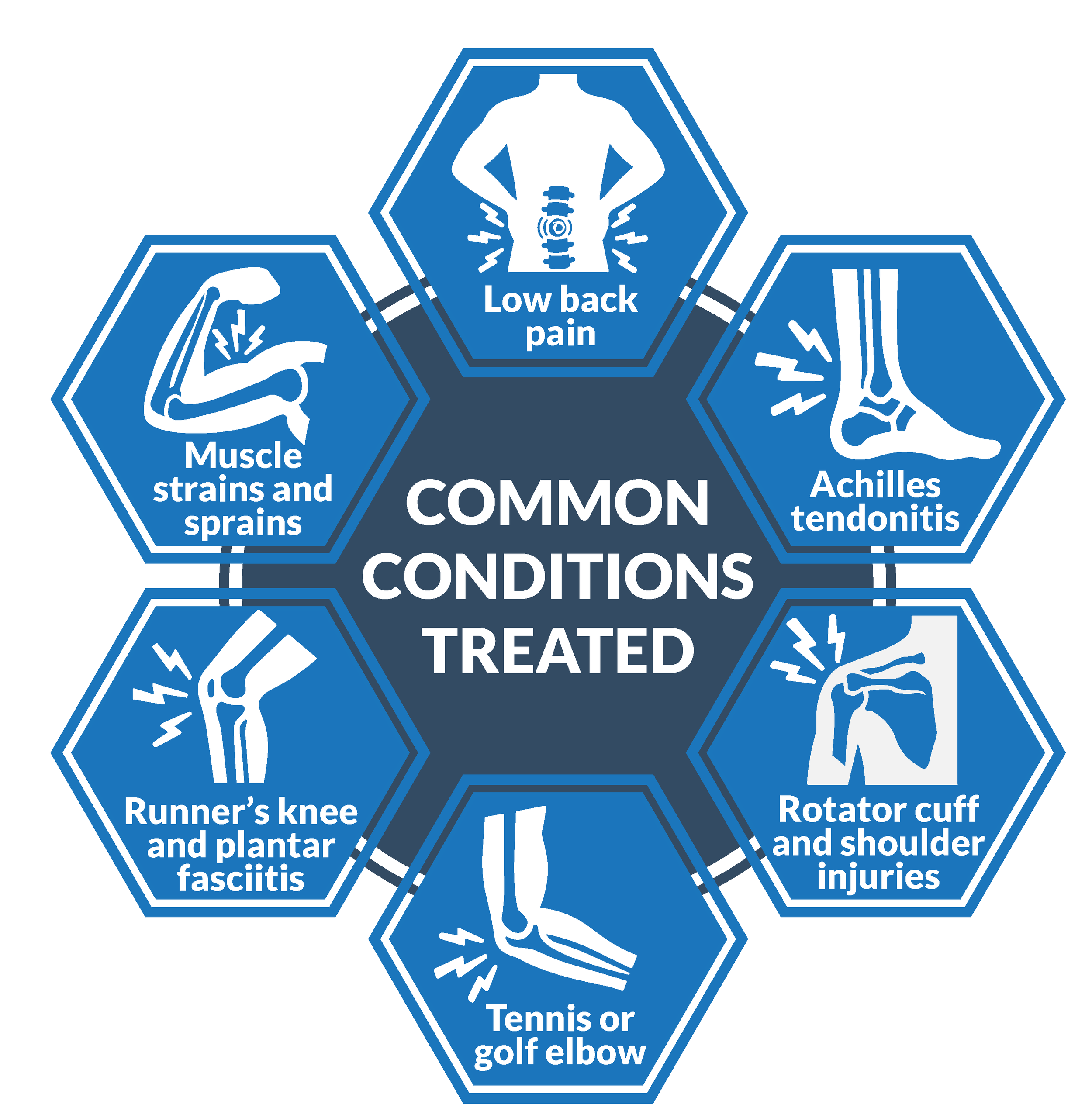
Common diagnoses leading patients to Physical Therapy include:
Post-Operative Conditions: rotator cuff repair, knee arthroscopy, hip or knee replacements, spinal surgery
Neck or Back Pain
Sprains & Strains
Muscle Weakness
Tendonitis
Joint Pain
Therapy treatments include:
Patient education to help you better understand your condition
Instruction to help patients eliminate/reduce symptoms
Prevent recurrence
Treatment to restore normal posture and body mechanics
Manual techniques to reduce pain and improve mobility
Exercise recommendations to improve flexibility or increase strength
Getting Started with Physical Therapy is as Easy as a Call or Text
With Direct Access, you can call or text 317.649.2993 to schedule your evaluation or to consult with a Physical Therapist.
We will schedule your in-person, virtual visit, or a workstation ergonomic assessment at a time that fits your schedule at a location convenient for you.
If a physician referral is needed, we will work with your provider to obtain the appropriate prescription.
Please call or text if you need to cancel your appointment.
What do you need help with today?
Find out why “working with us is good therapy.”

Patient Satisfaction

Nationally for treatment effectiveness
Physical Therapy for Headache Relief
Headaches aren’t always “just stress.” Many are linked to muscle tension, poor posture, limited neck mobility, and joint stiffness, especially for those of us spending long hours at a desk.
This month, TX Team is highlighting how physical therapy can help reduce:
Tension headaches
Migraines
Cervicogenic headaches (originating from the neck)
What Treatment May Include
Hands-on therapy to relieve muscle tension
Targeted exercises to improve strength and mobility
Posture correction strategies for desk and screen work
Guided stretching routines to reduce stiffness
Desk-Friendly Exercises You Can Start Today

Quick Warm-Up (2–3 minutes):
Look side to side – 10 reps
Look up and down – 10 reps
10 forward shoulder circles
10 backward shoulder circles
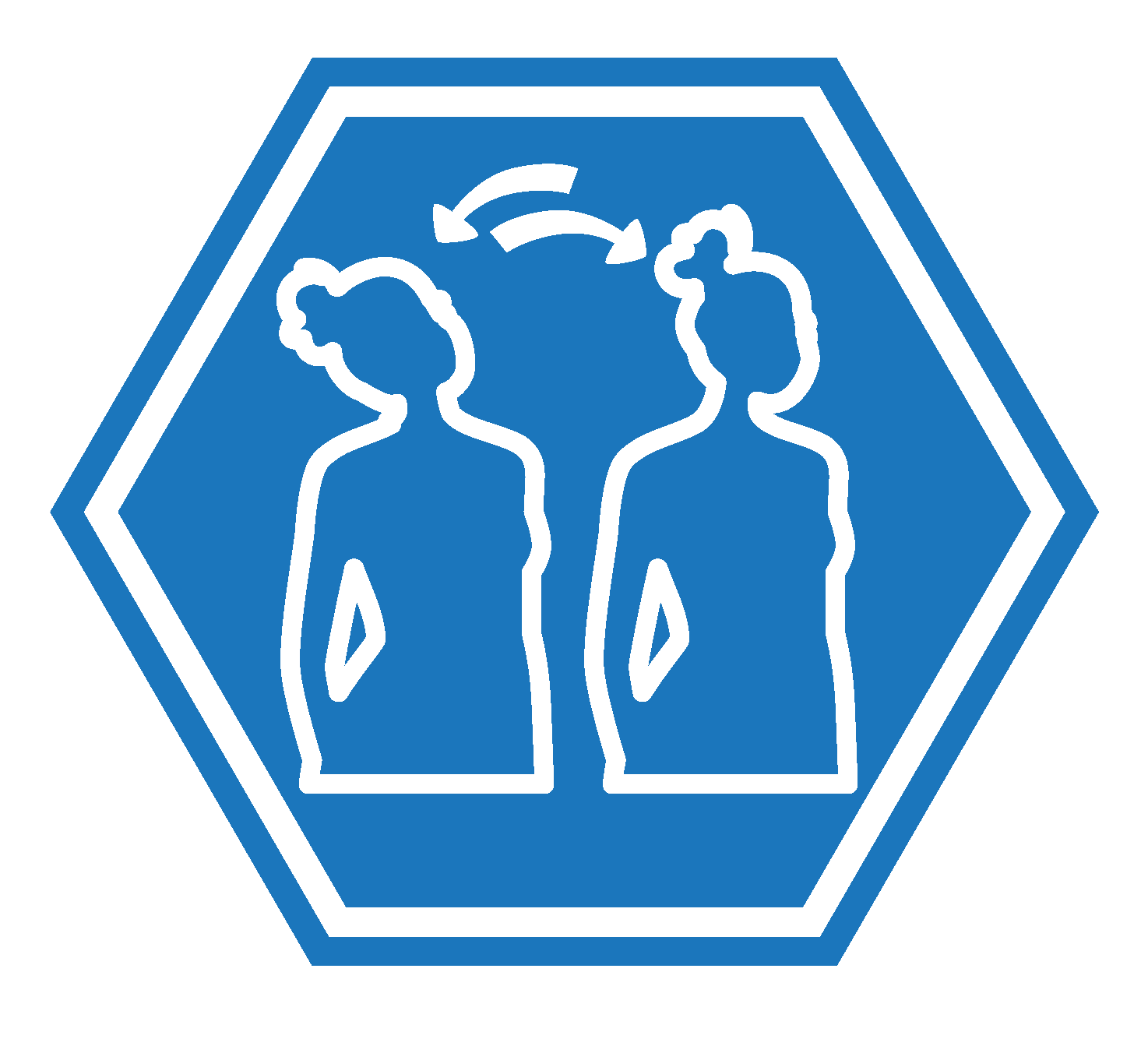
Posture Reset: Chin Tucks
Sit tall and gently draw your chin straight back (think “make a double chin” without tilting your head down).
Hold 5 seconds. Repeat 10 times every hour.

Neck Mobility: Turn Head Side to Side
Turn your head to look over one shoulder, hold 10 seconds, then switch sides. Repeat 3 times each side.
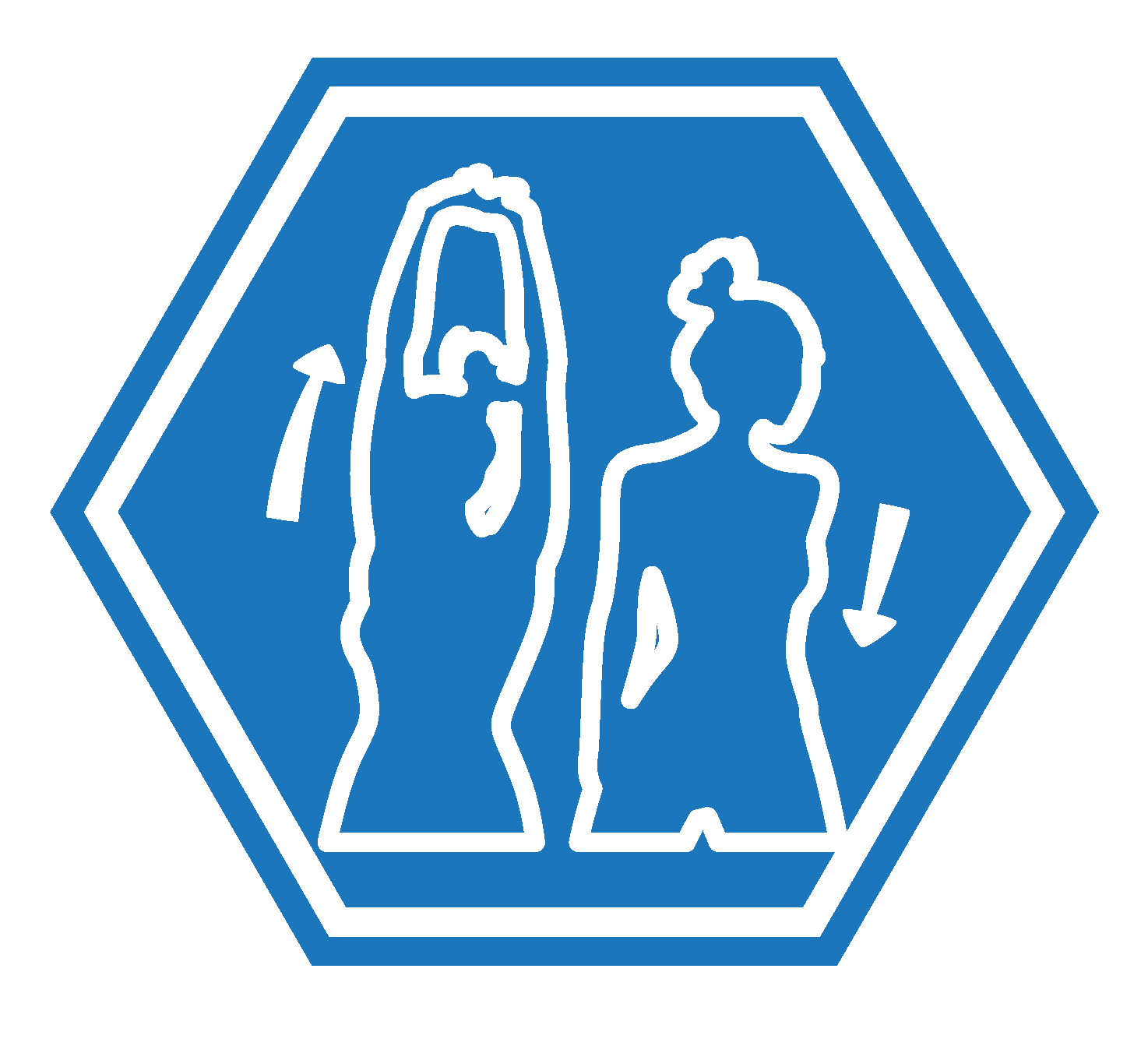
Shoulder Blade Squeeze (Scapular Retraction)
Pretend there’s a tennis ball between your shoulder blades and gently squeeze it. Repeat 10 times every hour.
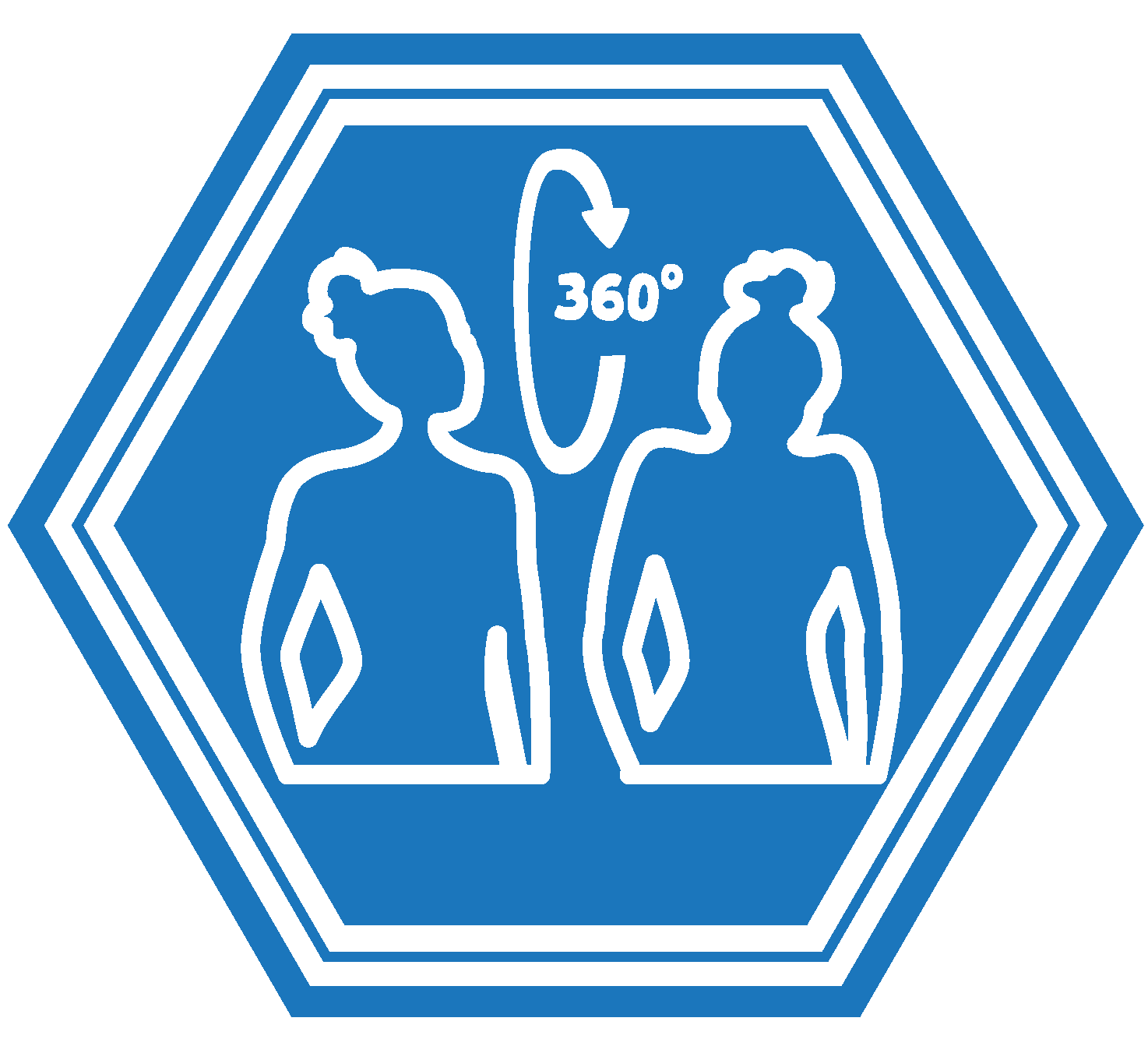
Gentle Stretching (2–3 times each side):
Ear-to-shoulder stretch (hold 30 seconds)
Chin-to-armpit stretch (hold 30 seconds)
All movements should be gentle and pain-free. If you have questions or ongoing symptoms, connect with your TX Team physical therapist.
Relief may be closer than you think. Schedule your therapy session today.
Physical Therapy for Sleep & Recovery
Struggling to fall asleep or stay asleep? Your body may be trying to tell you something.
This month, TX Team is highlighting the critical role sleep plays in recovery, and how physical therapy can help improve both sleep quality and overall wellness.
Why Sleep Matters
Sleep is when your body repairs, restores, and resets. When sleep is disrupted, it can lead to:
Increased pain sensitivity
Slower recovery from injuries
Reduced energy and focus
Ongoing muscle tension and discomfort

How Physical Therapy Can Help You Sleep Better

Address Physical Pain
Pain from poor posture, injuries, or chronic conditions can make it difficult to get comfortable at night. A physical therapist identifies the root cause and creates a plan to reduce discomfort, helping you rest easier.
Optimize Your Sleep Environment
Small adjustments to your mattress, pillow, or sleeping position can make a big difference. Your PT can guide you on creating a setup that supports better rest.
Build a Personalized Exercise Plan
Targeted movement and regular activity can improve sleep quality. Your PT will design a plan that fits your lifestyle, including exercises that help your body wind down at the end of the day.

Learn Relaxation Techniques
Incorporating gentle stretching, breathing exercises, and muscle relaxation techniques can help calm both your body and mind before bed.

Sports Rehabilitation
As warmer weather arrives, many of us are getting back to running, biking, and outdoor activities. While staying active is great for your health, jumping back in too quickly can increase your risk of injury.
This month, TX Team is highlighting how physical therapy supports both injury recovery and safe return to activity.
What is Sports Rehabilitation?
Sports rehabilitation starts with a comprehensive evaluation to understand your injury, movement patterns, and goals. From there, your physical therapist creates a personalized plan to help you recover and reduce the risk of future injury.
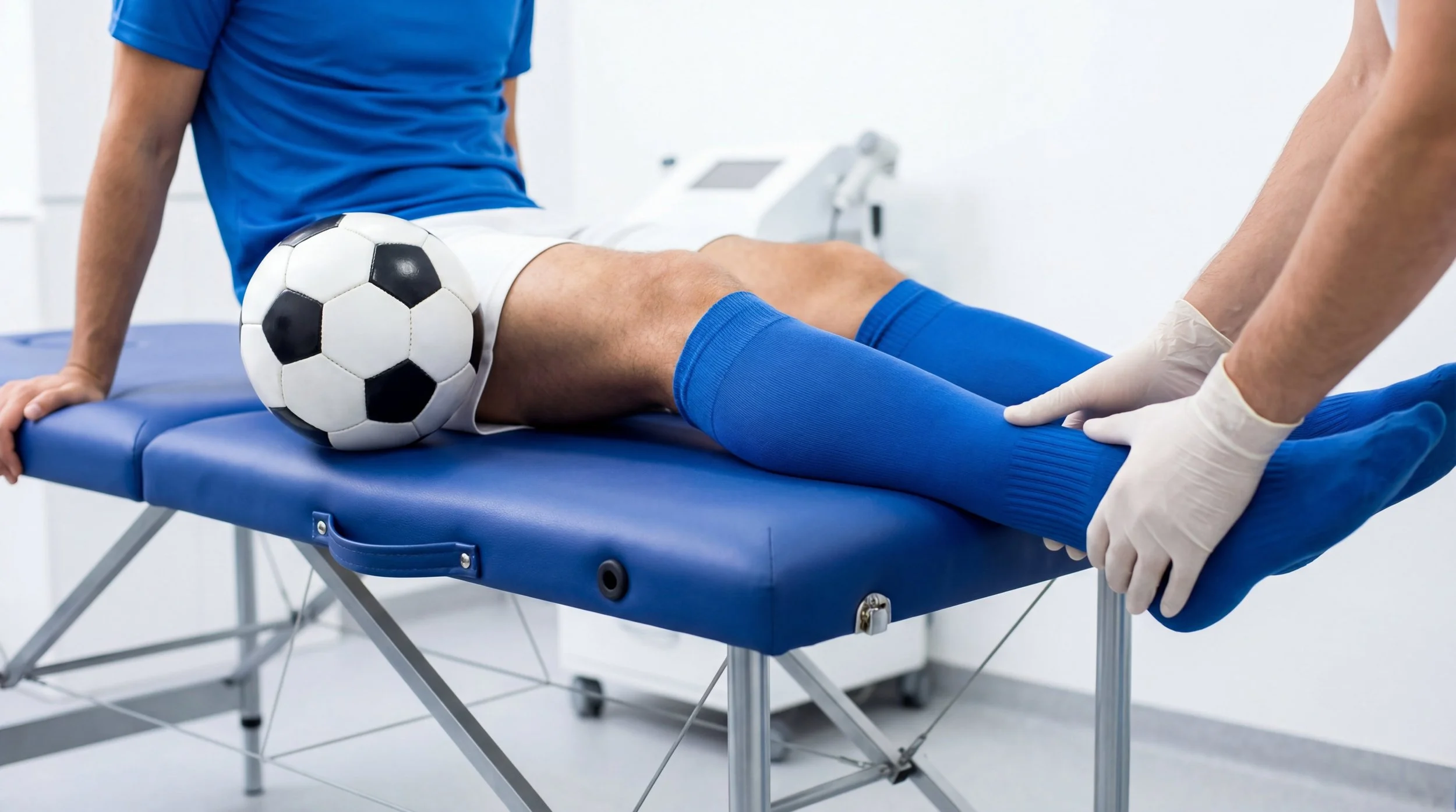
Whether you’re getting back into exercise or staying active year-round, sports rehab is designed to meet you where you are.
How Physical Therapy Helps Keep You Active

Prevent Injuries Before
They Happen
Targeted exercises improve strength, flexibility, and movement patterns to help reduce strain on your body.

Recover Safely and Effectively
From muscle strains to joint pain and overuse injuries, PT helps you heal properly so you can return with confidence.

Improve Performance
Better mobility, stability, and muscle balance can enhance how you move—whether you're walking, running, or competing.

Reduce Risk of Re-Injury
Your plan will include exercises and education to help you stay active long-term.

Tip for Runners & Walkers: Don’t skip your warm-up!
Watch this quick video to help prevent injury before you start:
June is National Cancer Survivors Month, a time to celebrate the millions of cancer survivors and recognize the strength, resilience, and ongoing challenges that can come with life during and after treatment.
This month, TX Team is highlighting how physical therapy can support individuals navigating cancer treatment, recovery, and survivorship. Whether you are preparing for surgery, undergoing treatment, rebuilding strength, or adjusting to life beyond cancer, physical therapy can help you move more safely, manage symptoms, and feel more like yourself.
National Cancer Survivors Day was observed on Sunday, June 7. It was a meaningful reminder that survivorship is not one single moment. It is an ongoing journey that can include physical, emotional, and financial challenges, along with milestones worth honoring.
As a cancer survivor, I understand firsthand how meaningful physical therapy can be. Supportive movement, guided by a trained physical therapist, can help restore confidence, independence, and quality of life at a time when the body and mind are working through a lot.
Physical Therapy for Cancer Care
How Physical Therapy Can Help During and After Cancer Care
Physical therapy may help with:
Improving strength, flexibility, mobility, and balance
Reducing pain, fatigue, weakness, and treatment-related side effects
Supporting walking, coordination, and safe movement
Preparing the body for surgery and promoting more effective recovery afterward
Managing swelling, stiffness, or soft tissue restrictions
Rebuilding confidence with everyday activities
Boosting energy and mood through appropriate movement
The American Cancer Society recommends regular physical activity during and after cancer treatment when it is safe and appropriate for the individual. A physical therapist can help create a plan that matches your needs, energy level, treatment stage, and personal goals.
What to Expect
Your TX Team physical therapist will take time to understand your health history, treatment experience, current challenges, and goals. They may assess your strength, balance, mobility, posture, walking, and daily movement patterns.
Your care plan may include:
Gentle movement and stretching routines
Strength and balance exercises
Pain management strategies
Swelling management techniques
Manual therapy to address joint or soft tissue limitations
Walking, coordination, and safety training
Guidance for daily activities at home or work
Recommendations for assistive devices, such as a cane, if needed
A home exercise plan designed around your current ability and comfort level
Support at Every Stage of Survivorship
Cancer care can affect the body in many ways, and recovery looks different for everyone. Physical therapy is not about pushing harder than your body is ready for. It is about having the right support, the right plan, and the right progression so you can keep moving forward safely.

If you or an eligible dependent are undergoing treatment, recovering from treatment, or living beyond cancer, TX Team is here to help.
Physical Therapy for Strength During GLP-1-Assisted Weight Loss
GLP-1 medications can be a helpful part of a weight loss journey, but weight loss is not just about the number on the scale. Without strength training and guided movement, some individuals may lose muscle along with weight.
Since muscle plays an important role in balance, mobility, metabolism, joint support, and everyday independence, maintaining strength is an important part of staying healthy and functional.
A physical therapist can help you stay strong and move safely as your body changes. TX Team can create a personalized plan based on your goals, current fitness level, and any pain, mobility limitations, or concerns you may have.




Physical therapy can help you:
Maintain lean muscle and strength
Improve balance and mobility
Protect your joints during activity changes
Build safe, sustainable exercise habits
Feel more confident with movement and daily activities
Whether you are currently using a GLP-1 medication, considering one, or simply focused on healthy weight loss, physical therapy can help support your progress in a safe, personalized way.
Talk to your TX Team physical therapist or schedule a consultation today to learn how to protect your strength during your wellness journey.
Physical Therapy for the Whole Family
Healthy families move better, together.
As summer comes to a close and another school year begins, TX Team is focusing on helping Moser employees and their families stay healthy, active, and ready for the routines ahead.
Physical therapy services are available to eligible Moser employees and dependents ages 10 and older at no additional cost. From growing athletes and active students to busy parents, TX Team provides personalized support for the whole family.



How Physical Therapy Can Support Your Family
A physical therapist can help with:
Sports-related injuries and a safe return to activity
Posture concerns related to school, work, or device use
Growing pains and other movement-related discomfort
Strength, flexibility, balance, and mobility
Joint or muscle pain
Healthy movement and exercise habits
Injury prevention and general wellness
Physical therapy is not only for recovering from an injury. It can also help identify movement concerns early, build confidence, and make it easier for family members to participate in the activities they enjoy.
Back-to-School Support for Kids and Teens
A new school year can mean sports practices, heavier backpacks, more time sitting, increased device use, and major changes in daily routines. These changes can sometimes contribute to soreness, muscle strain, poor posture, or discomfort.
A physical therapist can evaluate how your child moves, identify factors that may be contributing to pain or strain, and create an age-appropriate plan based on their activities and needs.
Backpack Strategies: Pack It Light, Wear It Right
A backpack that is too heavy or worn incorrectly can contribute to muscle strain, back pain, and posture problems. Help protect your child’s back and shoulders with these simple strategies.
Pack It Light
Keep the backpack’s total weight to no more than 10% of your child’s body weight.
Place the heaviest books and supplies closest to the back of the backpack.
Organize items so they remain secure and do not shift while being carried.
Regularly remove unnecessary books, papers, and supplies.
Have your child carry an item separately when the backpack becomes too heavy.
Consider a rolling backpack for consistently heavy loads when permitted by the school.
Wear It Right
Always use both shoulder straps to distribute weight evenly.
Choose a backpack with wide, padded shoulder straps.
Adjust the straps so the backpack fits snugly against the back.
Use the waist belt when available to help distribute the weight.
Make sure the bottom of the backpack rests in the curve of the lower back.
The backpack should not hang more than four inches below the waistline.
Personalized Guidance from TX Team
A TX Team physical therapist can also provide ergonomic guidance for backpacks, workstation setups, computer use, and other daily activities.

The goal is to help every member of your family move comfortably, reduce unnecessary pain and strain, and participate in the activities they enjoy with greater ease and confidence.
Ready to Get Started?
Call or text 317.649.2993 or email fishers@txteam.com to schedule an appointment or speak with a physical therapist.
Screen Time Is Affecting More Than Your Eyes
Phones, laptops, tablets, and monitors are part of everyday life. But all that screen time can take a toll on your body.
Digital overuse can contribute to poor posture, neck and shoulder tension, stiffness, pain, and repetitive strain injuries. Even the way you position your screen, sit at your desk, or hold your phone can make a difference over time.
The good news? A few simple changes can help.
Try these healthier screen habits:
Keep screens at eye level.
Sit with your feet flat on the floor and your back supported.
Keep your computer monitor about an arm's length away.
Stretch your neck and shoulders throughout the day.
Take regular movement breaks.
Give your eyes a break with the 20-20-20 rule: every 20 minutes, look at something 20 feet away for 20 seconds.
When using a phone frequently, consider a headset or speaker instead of holding it between your head and shoulder.
How Can Physical Therapy Help?
Physical therapy isn't only for recovering from an injury. A physical therapist can help you:
Improve posture
Reduce pain and muscle tension
Increase strength and flexibility
Prevent repetitive strain injuries
Improve your workstation ergonomics
Physical therapists can also recommend workstation modifications designed to improve comfort and efficiency and help prevent or relieve pain. If adjustments aren't enough, they can develop an individualized treatment plan to address pain and improve mobility.
Your devices are part of daily life—but pain doesn't have to be.
Remember, Moser employees have access to free physical therapy through our partnership with TX Team. If screen time or your workstation is leaving you with aches, stiffness, or discomfort, take advantage of this Moser benefit.
Schedule an appointment with TX Team.
Move Better, Stay Active, Age Strong
October is Physical Therapy Month—a time to recognize the meaningful difference physical therapists make in helping people improve mobility, reduce pain, recover safely, and stay active through every stage of life.
Whether you are preparing for surgery, recovering afterward, managing an injury, or simply looking to move with more confidence, physical therapy can help you build strength, restore function, and support a better quality of life.
Physical Therapy Before and After Surgery
Physical therapy plays an important role throughout the surgical rehabilitation process.
Before Surgery: Build a Stronger Foundation
Pre-surgical physical therapy, often called “prehab,” can help prepare your body for surgery by:
Improving strength, mobility, and movement
Identifying limitations that could affect your recovery
Building confidence in exercises and movements you may use after surgery
Supporting a smoother transition into recovery
Starting with a stronger foundation can make a real difference in how you feel and function following surgery.
After Surgery: Restore Movement and Function
Following surgery, physical therapy can help you safely return to the activities that matter most. Your plan may focus on:
Restoring movement, strength, and function
Supporting safe healing
Reducing the risk of complications
Gradually returning to work, daily activities, hobbies, and exercise

Hospital physical therapists help patients begin moving safely soon after surgery and ensure they are ready to transition to outpatient physical therapy. TX Team Physical Therapy can then continue that care with a personalized plan designed around your recovery goals.
Meet Your Physical Therapist

Elena Dubinski, PT, brings over 15 years of clinical experience and specializes in orthopedic and musculoskeletal care. She takes a holistic approach, focusing on body, mind, and spirit, to create personalized, easy-to-follow plans that support long-term wellness.
If sleep challenges are impacting your daily life, TX Team is here to help you find lasting solutions.

Frequently Asked Questions
-
If you are experiencing pain or other symptoms that affects your ability to sit, stand, sleep, or move, a physical therapist may be able to help. Common reasons for PT include:
• back pain
• headaches or neck pain
• arthritic or painful joints
• pre- or post- surgical strengthening
• joint sprains
• muscle strains
• repetitive motion injuries
• injuries from slips, falls, or other trauma
-
You have the ability to access physical therapy either in-person or virtually! We offer physical therapy in 3 convenient clinics in the Indianapolis metro area or virtual physical therapy that you can access from anywhere.
-
In addition to physical therapy evaluation & treatment, we also offer workstation ergonomic assessments.
-
Absolutely! Physical therapy services are available to all Moser Consulting employees and dependents who are enrolled in a qualifying health plan.
-
No, there are no additional copays or deductible amounts.
-
Physical therapy is scheduled according to the individualized treatment plan determined by your therapist at your evaluation. Therapy appointments may be scheduled 1-3 times per week. Appointments are typically 45-60 minutes in length and continue as long as you continue to make progress toward the goals that you and your therapist establish at your evaluation.
-
If you don’t know what to expect, you may feel nervous about physical therapy. The goal of your therapist is to thoroughly evaluate and ask questions about your issue so that you an get back to your daily life and the activities you enjoy.
-
• Progressive stretching/strengthening
• Manual therapy techniques including joint and soft tissue mobilization
• Training on posture and movement
• A home exercise program to maximize your therapy sessions
Our Shared Physical Therapy Clinic Model
Three convenient locations surrounding the Indianapolis metro area to serve you:
City of Fishers
11787 Lantern Road
Fishers, IN, 46038
317.649.2993
fishers@txteam.com
JD Finish Line
3308 North Mitthoeffer Road
Indianapolis, IN, 46235
317.430.0231
finishline@txteam.com
Tx:Team at Bosma Enterprises
6270 Corporate Drive, Suite 100
Indianapolis, IN, 46278
317.452.2486
mparsons@txteam.com