Guidance from Our Subject Matter Experts

Why Database Administrators Were "Going Extinct"
Database automation keeps advancing, but expert DBAs still protect performance, security, cost, and reliability across modern data environments today.

The CHECKDB That Lied
A routine SQL Server integrity check reported no issues, even though thousands of rows contained corrupt data. This blog explores how a legacy database setting caused DBCC CHECKDB to skip data-purity validation, how the corruption was uncovered, and the careful process used to identify, repair, and verify all 7,709 affected rows.
The Life of SQL Server: Knowing Where Your Environment Stands
This guide breaks down the Microsoft SQL Server lifecycle so organizations can better understand where their environment stands and what actions to take next. It covers Mainstream Support, Extended Support, Extended Security Updates, key end-of-life dates, and a practical roadmap for planning upgrades and migrations before aging SQL Server environments create security, compliance, or operational risks.

AI Integration in Education: Recommendations for Caution While Embracing Change
AI is rapidly reshaping education, creating new opportunities for teachers while raising important questions about privacy, data governance, instructional quality, and responsible use. This blog explores how school leaders can approach AI adoption thoughtfully by piloting tools, protecting student data, supporting educators, and keeping professional judgment at the center of classroom decisions.

Microsoft Entra ID Passkeys: What Organizations Need to Know Before SMS and Voice MFA Change
Microsoft Entra ID passkeys are becoming the default authentication method. Learn who is affected, what changes, and how to prepare.

SQL Server 2016 is no longer supported. Is your business ready for what comes next?
Microsoft support for SQL Server 2016 has ended, leaving businesses with important decisions to make. Learn how migrating to Azure, upgrading to SQL Server 2022 or 2025, or using Extended Security Updates can help protect your data and prepare your organization for the future.

Technology That Has to Work: A Practical Framework for Modernizing Mission-Critical Systems
Modernization is one of the most overused words in technology.
It can mean replacing a legacy application. It can mean moving to the cloud. It can mean improving user experience, automating manual workflows, integrating disconnected systems, strengthening security, or changing how teams deliver services.
ADA Web Accessibility Deadline Extended: More Time, Not a Free Pass
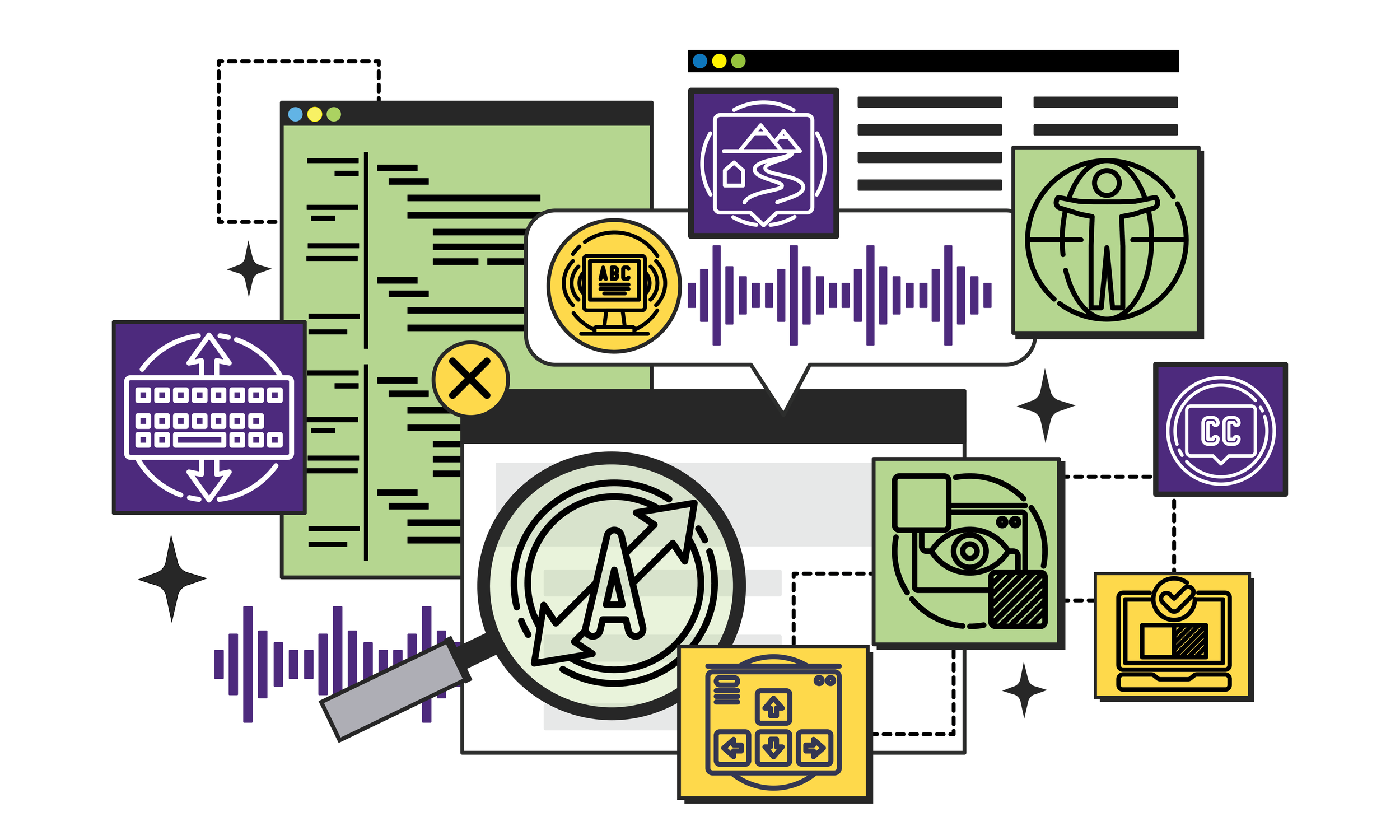
That extension matters, but it does not erase the requirement. The 2024 rule still establishes WCAG 2.1, Level AA as the technical standard for web content and mobile apps provided or made available by state and local governments. The DOJ has also made clear that public entities remain responsible for accessibility obligations even when digital services are provided through contractors, licensing arrangements, or third-party vendors.
Custom vs. COTS Applications for Spot Freight Companies: A Practical Guide to Faster ROI
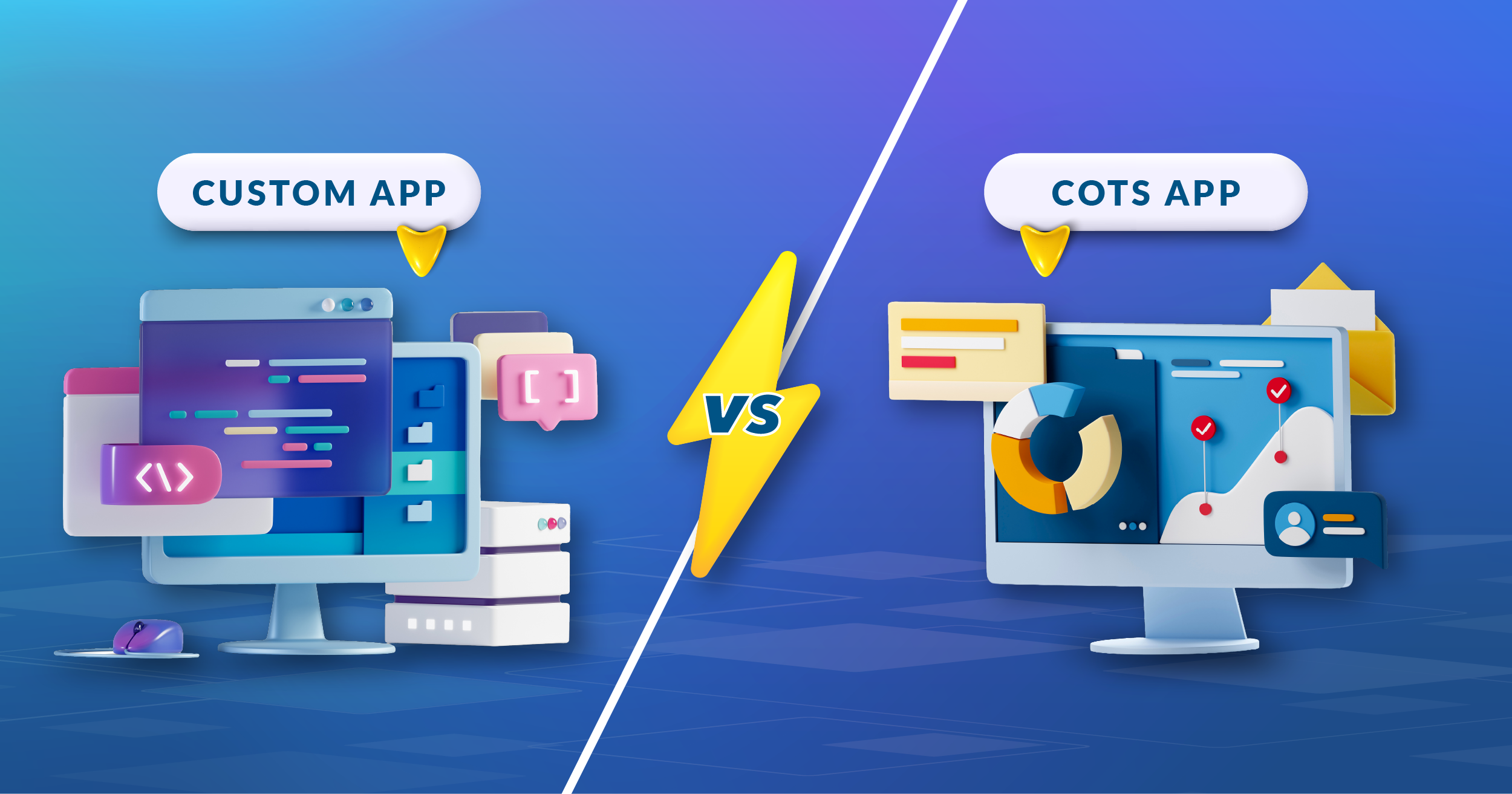
Explore custom vs COTS applications for spot freight companies. Learn how Agile development delivers faster ROI, increases daily load capacity, and streamlines operations.

Healthcare Data Interoperability Done Right: FHIR, UDMH, and Real Outcomes
Healthcare data is some of the most complex, regulated, and mission‑critical data in any industry. Yet many organizations are still struggling with fragmented systems, slow integrations, and data that can’t reliably support reporting, compliance, or clinical insight.
In this episode of ASCII Anything, we sat down with John Murphy, one of Moser Consulting’s most respected healthcare data experts, to unpack what actually works when it comes to healthcare data interoperability—and why standards like FHIR, HL7, and the Unified Data Model for Healthcare (UDMH) matter more than ever.
Corporate News